1. Background
The “Zero Waste” project was developed to promote the reduction of waste.
It also aimed to encourage the responsible use of resources.
The project achieves this through the use of visual creativity.
It also makes use of multimedia communication methods.
The main forms of delivery include videos.
They also include visual designs.
The content is distributed across multiple platforms.
These tools explain the importance of protecting the environment.
They also help share the idea of sustainable living with the public.
In this project, I worked in several areas.
My tasks included assisting with filming.
I also appeared on camera.
In addition, I designed the logo and the background images.
These activities kept the visual style consistent.
They also made the message clear.
This helped to increase the overall impact of the project.
2. Tasks and Achievements
1) Assistance with Filming
I assisted the lead videographer during the filming process.
My work included capturing material related to the “Zero Waste” theme.
This material showed demonstrations of eco-friendly practices.
It also showed examples of reusable items.
I filmed close-up details of the surrounding environment.
I was responsible for preparing the filming equipment.
I gave simple suggestions on how to frame shots.
I also recorded several sequences myself.
This made sure the material stayed consistent with the theme.
It also met the quality requirements of the project.
I worked on lighting adjustments.
I took part in setting up scenes.
When it was needed, I gave creative ideas to make the visuals better.
2) On-Camera Appearance
I appeared on camera in some parts of the video.
I showed actions that are opposite to the “Zero Waste” idea.
These actions included wasting food.
For example, I showed scenes where edible food was thrown away.
Another example was the use of disposable utensils.
These utensils can lead to more waste.
The scenes used contrast to make the audience think about the harm caused by waste.
They also aimed to make viewers more likely to accept the “Zero Waste” idea.
While filming, I kept my acting natural.
This made it easier for the audience to see the negative effects of waste.
It also made it easier for them to understand the environmental message.
3) Logo Design
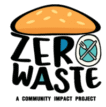
I designed a logo with “Zero Waste” as the central idea.
The design included food elements.
It also included ecological symbols.
These features helped to show the goal of reducing food waste.
The top of the logo shows a hamburger bun.
This bun represents food.
It connects directly to the problem of food waste.
The letter “O” is shown as a plate.
On the plate, there is a knife and a fork crossed.
This design shows the link between eating and saving.
It also sends the message of valuing every meal.
The bun is in a warm orange color.
The plate is in a blue-green color.
The colors create a welcoming feeling.
They also give a sense of freshness and environmental care.
The text uses a bold style.
It looks like it is handwritten.
This increases visual impact.
It also makes the logo easier to recognize.
The logo works well in posters, video covers, and social media.
It keeps its clarity and readability in different formats.
It helps create a unified visual identity.
It also makes the project easier for the public to remember.
4) Background Image Design
I created background images that matched the style of the logo.
These images used natural textures.
They also used eco-friendly symbols.
This made the visual style more unified.
I made sure the images stayed clear.
I made sure they could be recognized easily.
This applied to different types of media and to different screen sizes.
3.Self-Reflection
In the “Zero Waste” project, I gained cross-disciplinary practical experience and learned how to maintain a unified thematic expression across assisting with filming, appearing on camera, and visual design. By creating content with an environmental theme, I developed a deeper understanding of the “Zero Waste” concept and improved my teamwork and creative expression skills.
At the same time, I identified some shortcomings: insufficient assessment of lighting conditions in the early stage, lack of multi-platform size adaptation in some designs, time management pressures, and inadequate preparation for unexpected situations.
In the future, I will strengthen early planning and lighting assessment, establish multi-platform visual standards, optimize time management, and improve emergency response capabilities. I will also incorporate more visually direct environmental elements in my creations to enhance the effectiveness of theme communication.